
Deer management and conservation
We manage wild deer on behalf of estates and landowners. The aim is a healthy, sustainable deer population that the land can support.
Why do wild deer need managing in Britain?
There are more wild deer in Britain now than at any time in recent centuries, and they have no natural predators left. Without management, they hold back woodland regrowth, reduce habitat for birds and other wildlife, and damage crops. They are also more likely to go hungry over winter.
No natural predators
Wolves and lynx disappeared from Britain centuries ago. Nothing has replaced them as a natural check on deer numbers.
Six wild species
Red and roe deer are native. Fallow, sika, muntjac and Chinese water deer were introduced, and all six now live in the wild.
Growing numbers
Deer have increased in number and spread over the last fifty years, helped by mild winters, more woodland and farmland that provides food all year round.
Management, not removal
The aim is to keep deer at a level the land can support, so woodland can regenerate and the deer stay healthy.
What happens when deer numbers are too high?
Too many deer damage woodland, wildlife habitats and crops, and the deer themselves suffer. Government figures show that a third of English woodlands are now negatively affected by deer, up from about a quarter in the early 2000s.
Woodland
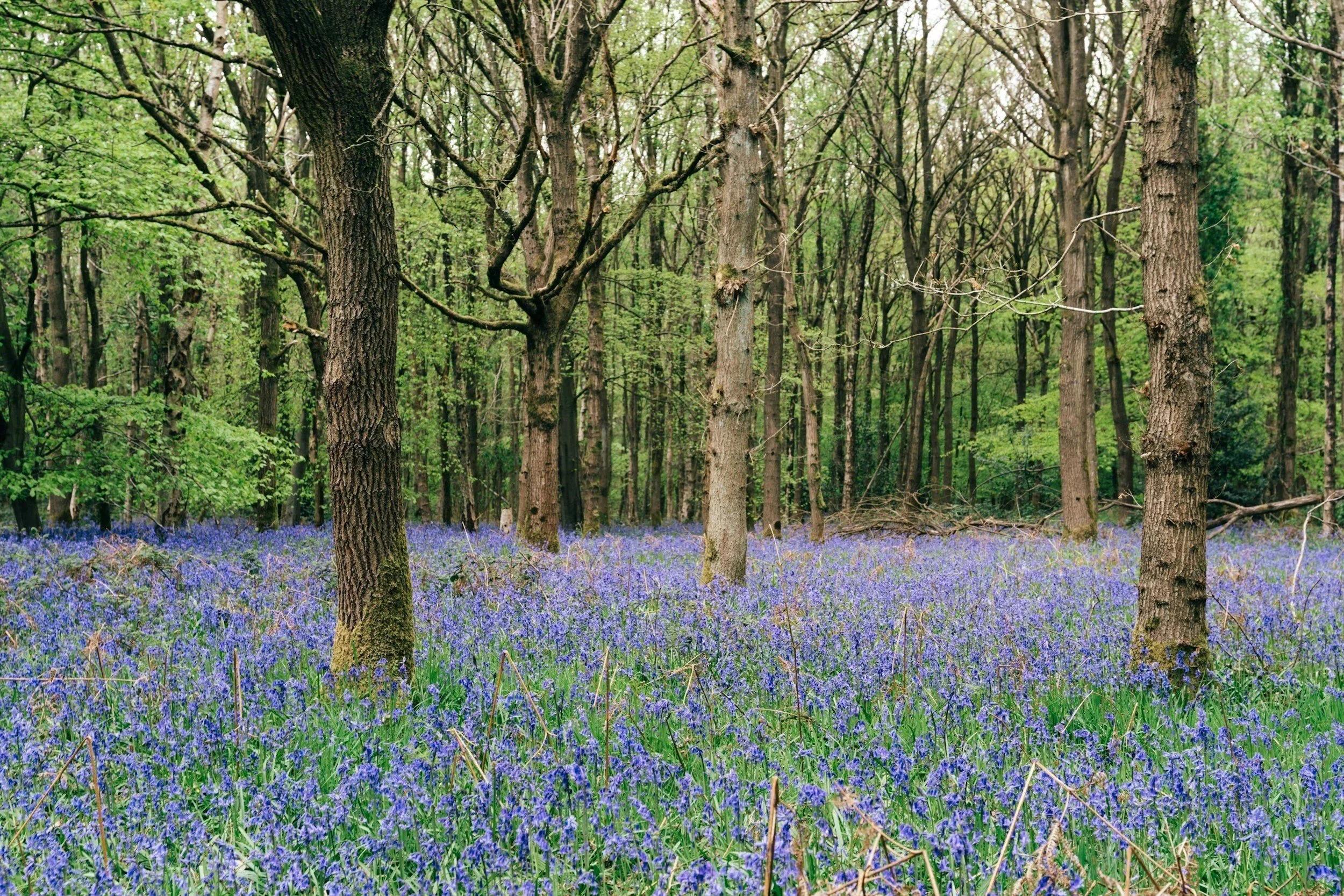
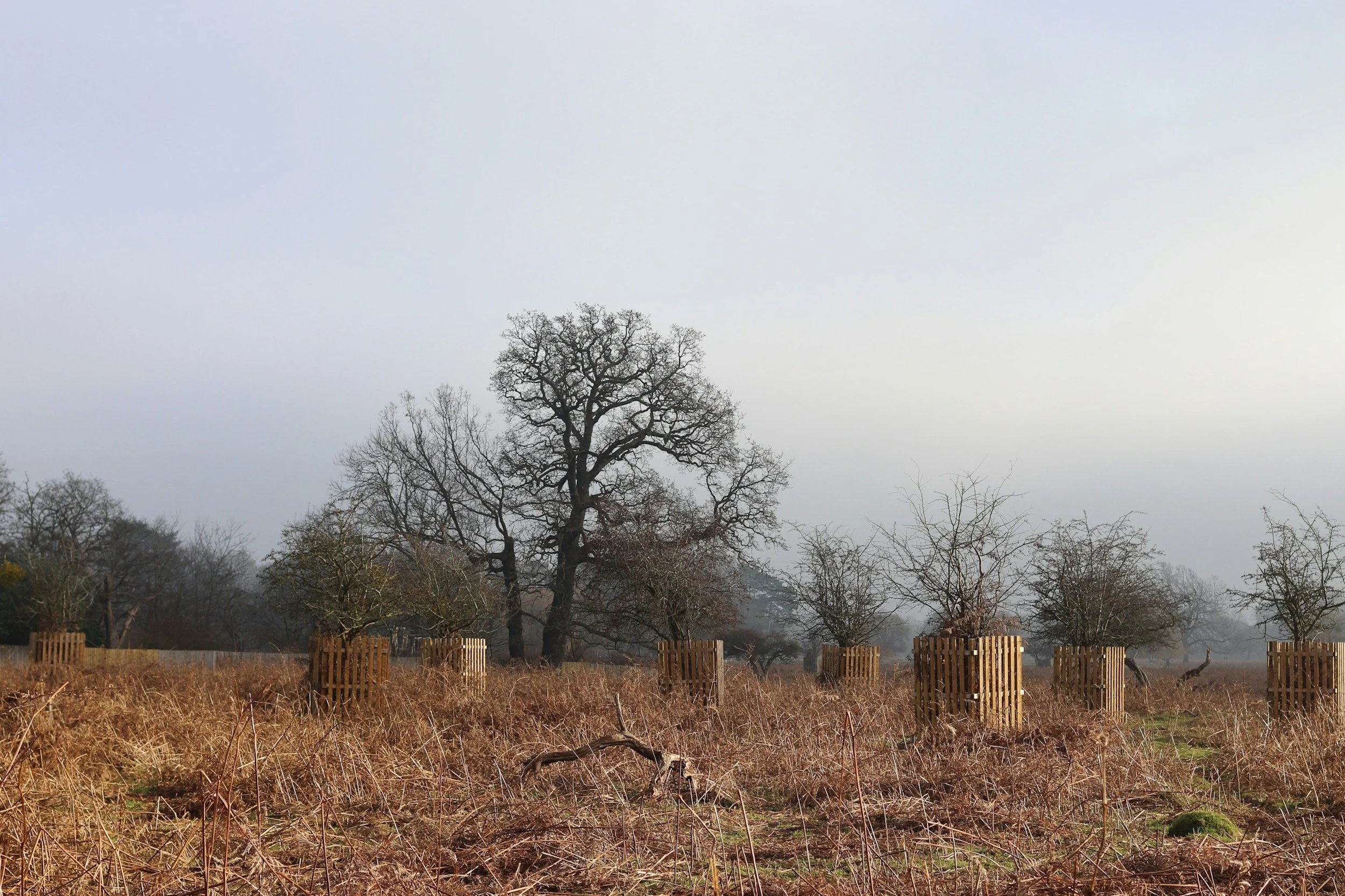
Deer browse seedlings and saplings and strip bark, so woodland cannot regenerate naturally and new planting fails without protection.
Wildlife
Heavy browsing removes the shrub layer and woodland flowers, taking away the cover and food that many birds, insects and small mammals depend on.
Farmland and roads
Deer graze crops and damage young plantations, and collisions with vehicles become more frequent as numbers grow.
The deer themselves
Where there is not enough food, deer lose condition, become more prone to disease and may starve in a hard winter.
How does conservation deer management work?
Conservation deer management follows a written plan based on the deer and the land. The work is carried out through the legal seasons and reviewed as the land recovers.
Survey
Counting the deer, identifying the species and how they use the land, and measuring the damage they are doing to woodland, crops and habitats.
Plan
Agreeing objectives with the landowner and setting cull targets by species, sex and season, usually written up as a species management plan.
Selective culling
Taking the right animals humanely, within the legal open seasons and, under licence, at night. Females with dependent young are left alone.
Records and review
Recording every animal taken and checking how the habitat responds, so the plan can be adjusted. Every carcass is handled to food hygiene standards and nothing is wasted.
Britain’s six deer species and how they behave
Each species has its own breeding cycle, habitat and behaviour, so no two are managed in the same way. A management plan only works if it takes account of the species actually on the land. More on each species
Red deer
Native and Britain’s largest wild land mammal. Stags and hinds live in separate herds for most of the year on moorland, hill ground and woodland. The rut runs from late September into October.
Roe deer
Native and widespread, usually seen alone or in small family groups on woodland edges and farmland. Bucks hold territories through the summer and rut in July and August. Kids are born in May or June.
Fallow deer
Introduced centuries ago and now widely established in woodland and parkland. Fallow live in herds, with coats ranging from black to almost white, and rut in October.
Sika deer
Introduced from Asia in the nineteenth century and well established in parts of Dorset. Sika favour conifer forest, heath and reedbed, and can interbreed with native red deer.
Muntjac
A small introduced deer that breeds all year round, with no fixed season. Muntjac live alone or in pairs and browse undergrowth heavily, stripping the shrub layer that many woodland birds rely on.
Chinese water deer
Introduced and without antlers; bucks carry tusks instead. They live mainly in wetland, reedbed and fen, and often have several young at a time.
Seasons and the law
Each species has its own legal open season under the Deer Act 1991. Muntjac have no close season because they breed all year. Restrictions on shooting females with dependent young apply all year round.
Deer management across the UK
We manage deer for estates and landowners across the UK. Regular work includes Devon, Cornwall, Dorset, Oxfordshire, Suffolk and Norfolk. The species present, and the pressure they put on the land, differ from one area to the next.
Devon and Cornwall
Fallow and roe deer are established, with red deer in places. Work often centres on woodland regeneration in the valleys and on the moorland edge.
Dorset
Sika are well established, particularly around Purbeck, alongside roe and fallow, with muntjac and red deer in places. Heathland and reedbed need particular care.
Oxfordshire
Roe, fallow and muntjac are established, with Chinese water deer locally. Pressure falls on both woodland and arable crops.
Suffolk
Muntjac, roe and fallow are widespread, with red deer in the Brecks and along the coast, and Chinese water deer in places.
Norfolk
Chinese water deer, muntjac and roe are established. Red deer are numerous in the Broads and Brecks, and fallow are found around Thetford.
Who carries out the work?
Good deer management depends on judgement: choosing the right animal, understanding how each species behaves, and recognising when the land is recovering. Our team are former Royal Marines and qualified deer managers, licensed by Natural England for night work, who work to a written plan, within the law, with welfare and safety first. About the team
Talk to us about your land
Tell us what you need and we will get back to you, by email or with a call if you prefer. Most work starts with a site visit.