
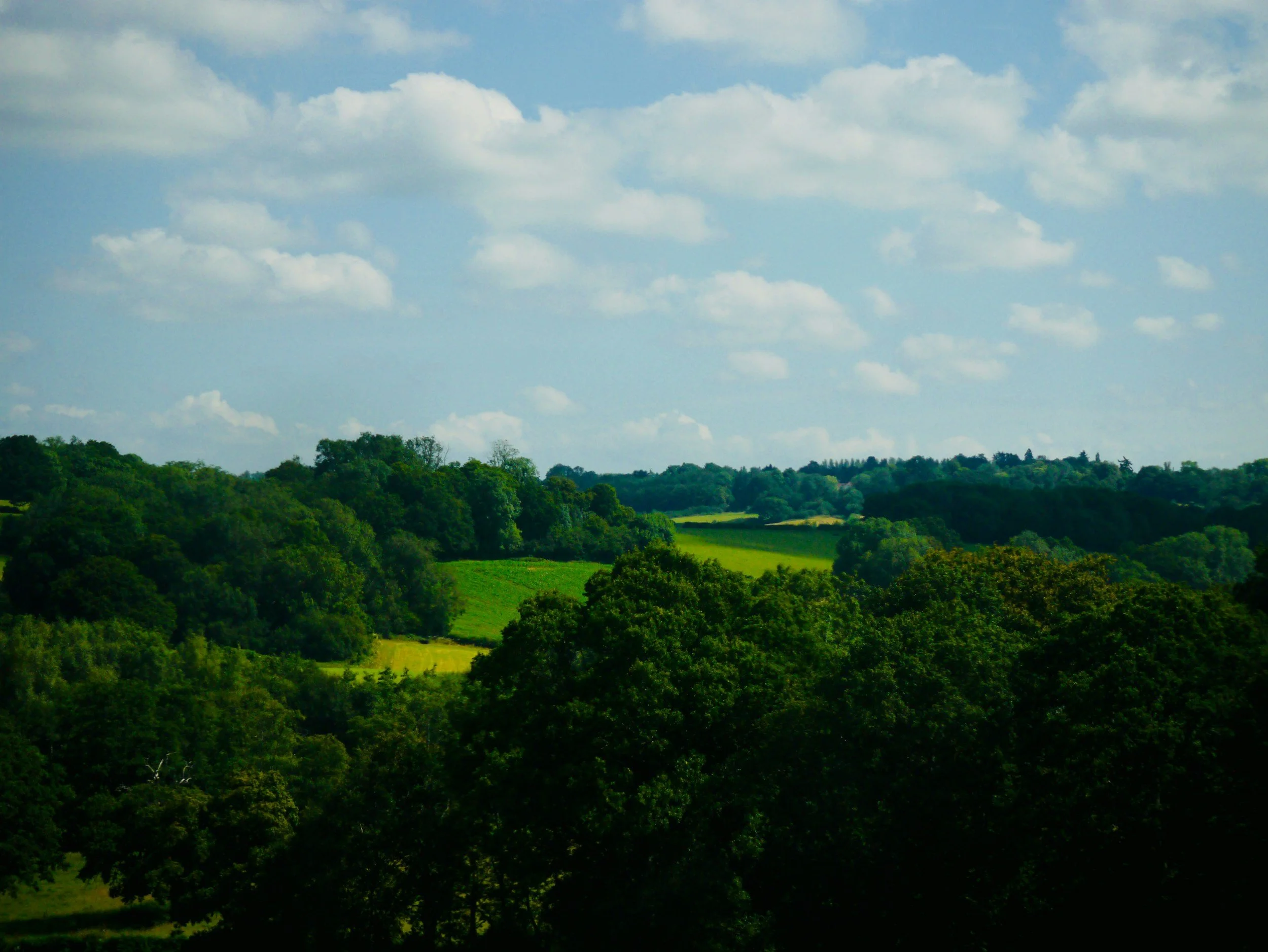
Deer management in Oxfordshire
Surveys, management plans, culling and records for estates and landowners in Oxfordshire, from a small team of former Royal Marines who are qualified deer managers.
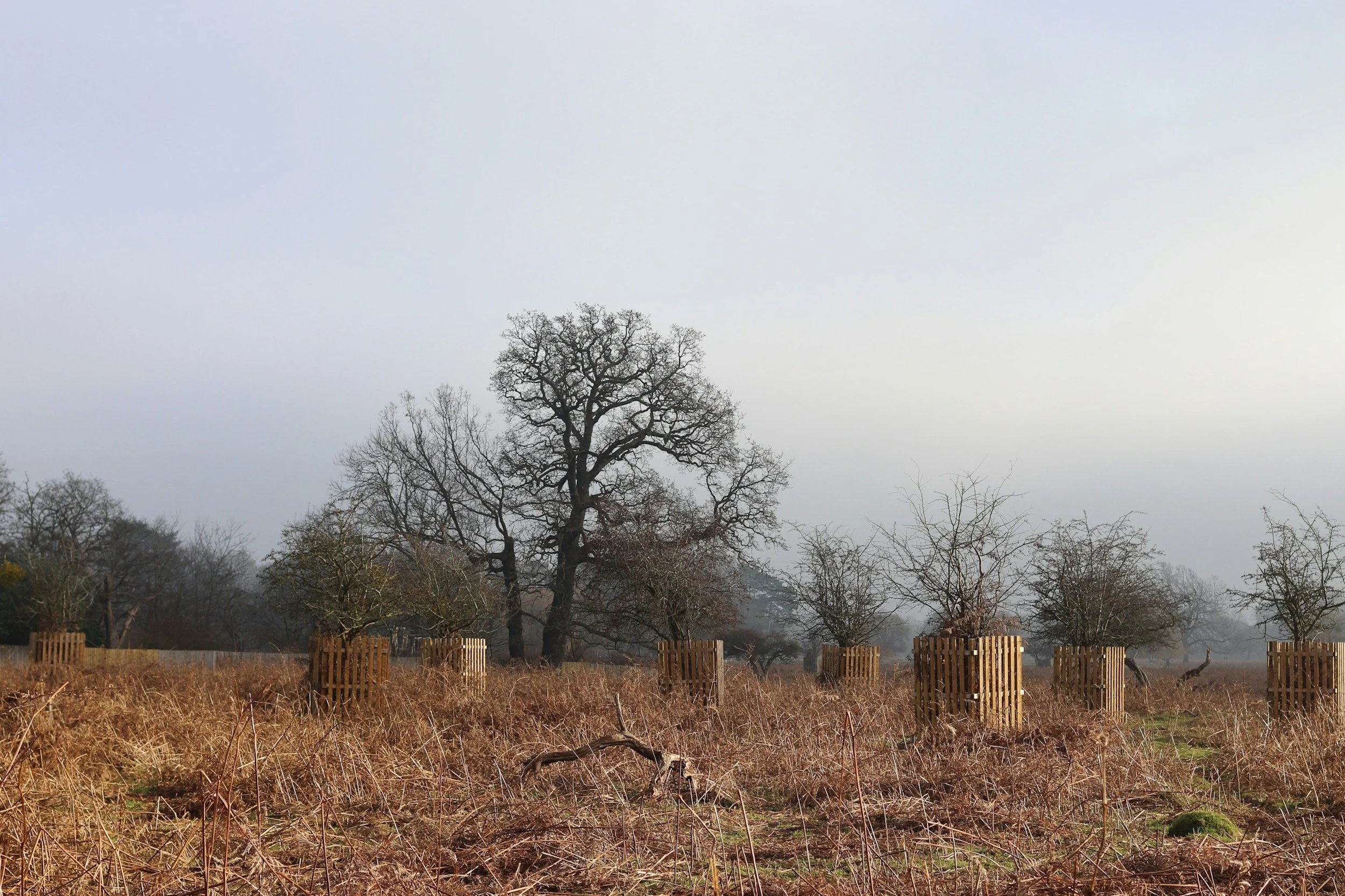
Deer in Oxfordshire
Roe, fallow and muntjac are established across Oxfordshire, with Chinese water deer locally. Pressure falls on both woodland and arable crops.
Roe deer
Native and widespread, usually seen alone or in small family groups on woodland edges and farmland. Bucks hold territories through the summer and rut in July and August. Kids are born in May or June.
Fallow deer
Introduced centuries ago and now widely established in woodland and parkland. Fallow live in herds, with coats ranging from black to almost white, and rut in October.
Muntjac
A small introduced deer that breeds all year round, with no fixed season. Muntjac live alone or in pairs and browse undergrowth heavily, stripping the shrub layer that many woodland birds rely on.
Chinese water deer
Introduced and without antlers; bucks carry tusks instead. They live mainly in wetland, reedbed and fen, and often have several young at a time.
How does conservation deer management work?
Conservation deer management follows a written plan based on the deer and the land. The work is carried out through the legal seasons and reviewed as the land recovers.
Survey
Counting the deer, identifying the species and how they use the land, and measuring the damage they are doing to woodland, crops and habitats.
Plan
Agreeing objectives with the landowner and setting cull targets by species, sex and season, usually written up as a species management plan.
Selective culling
Taking the right animals humanely, within the legal open seasons and, under licence, at night. Females with dependent young are left alone.
Records and review
Recording every animal taken and checking how the habitat responds, so the plan can be adjusted. Every carcass is handled to food hygiene standards and nothing is wasted.
Talk to us about land in Oxfordshire
Tell us what you need and we will get back to you, by email or with a call if you prefer. Most work starts with a site visit.