
Britain’s six deer species
Each species has its own breeding cycle, habitat and behaviour, so no two are managed in the same way. A management plan only works if it takes account of the species actually on the land.
Red deer
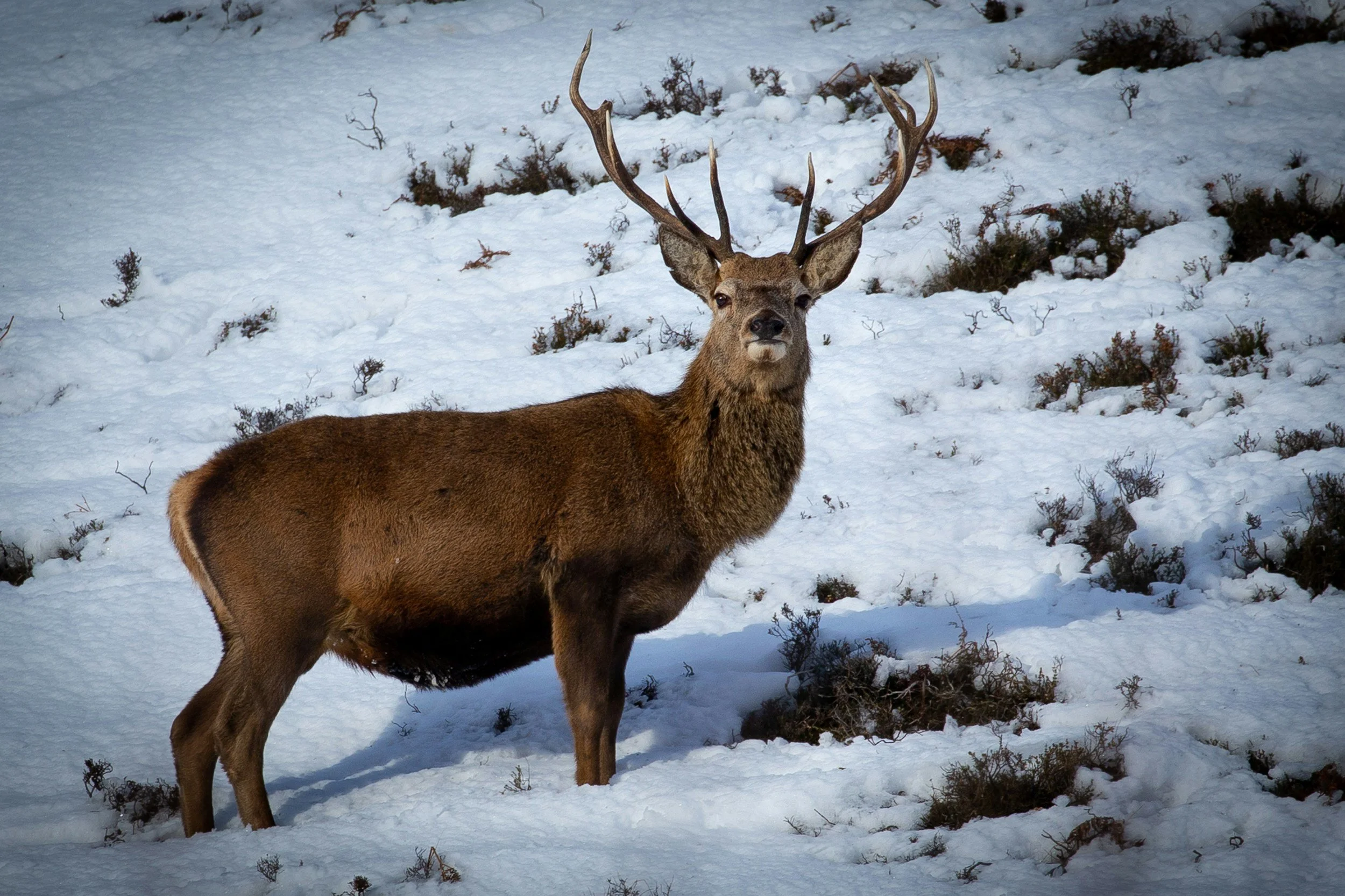
Native and Britain’s largest wild land mammal. Stags and hinds live in separate herds for most of the year on moorland, hill ground and woodland. The rut runs from late September into October.
Roe deer
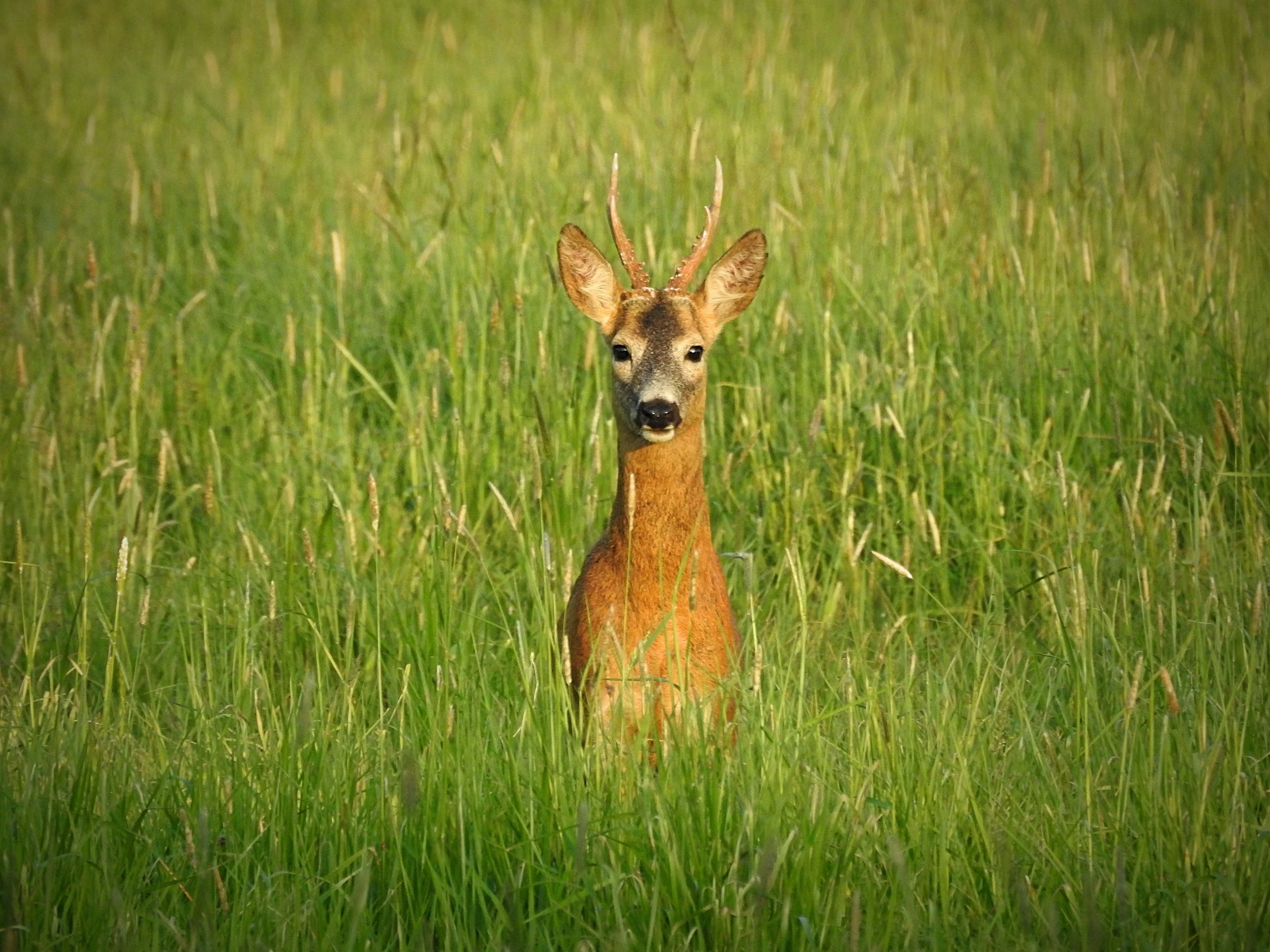
Native and widespread, usually seen alone or in small family groups on woodland edges and farmland. Bucks hold territories through the summer and rut in July and August. Kids are born in May or June.
Fallow deer
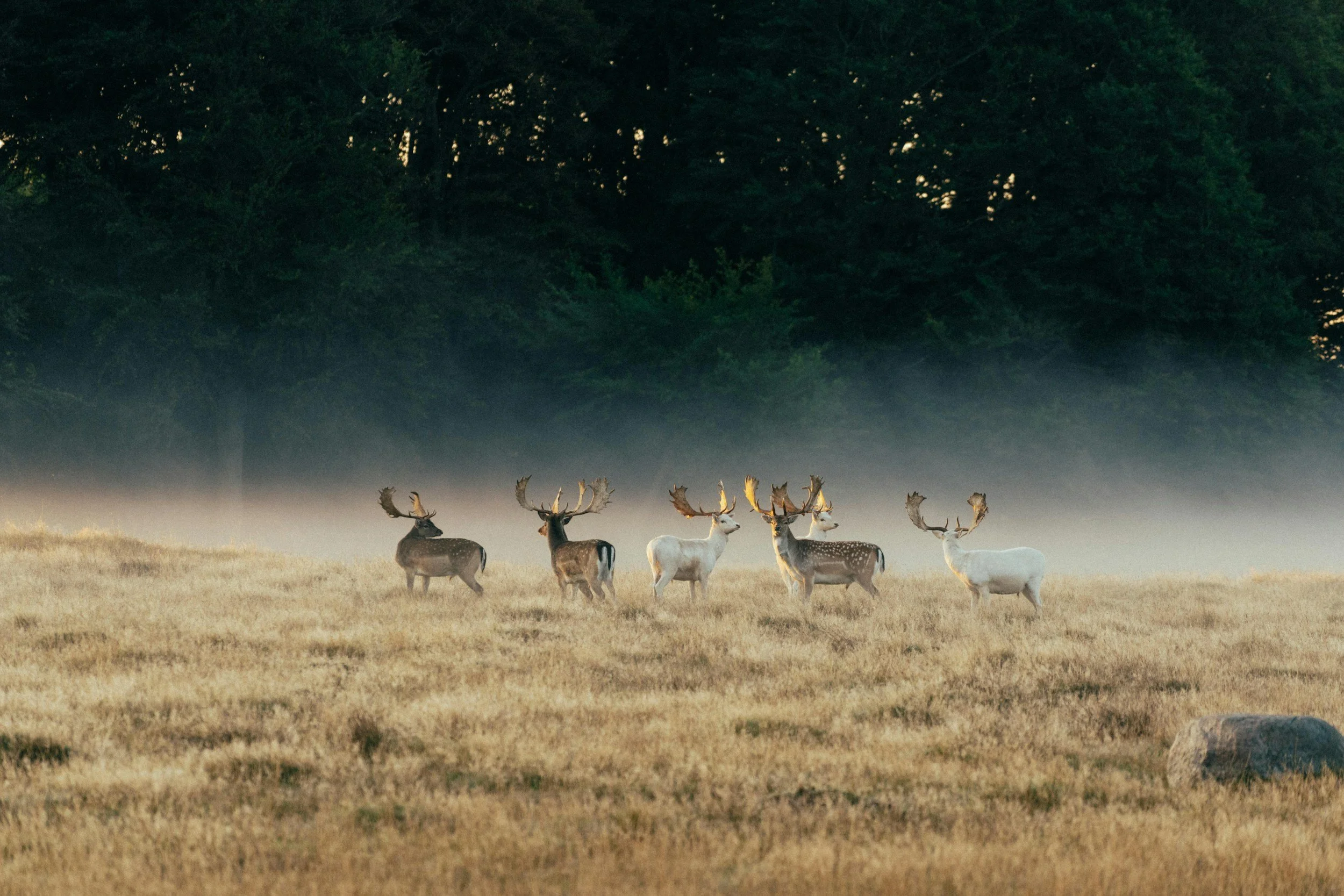
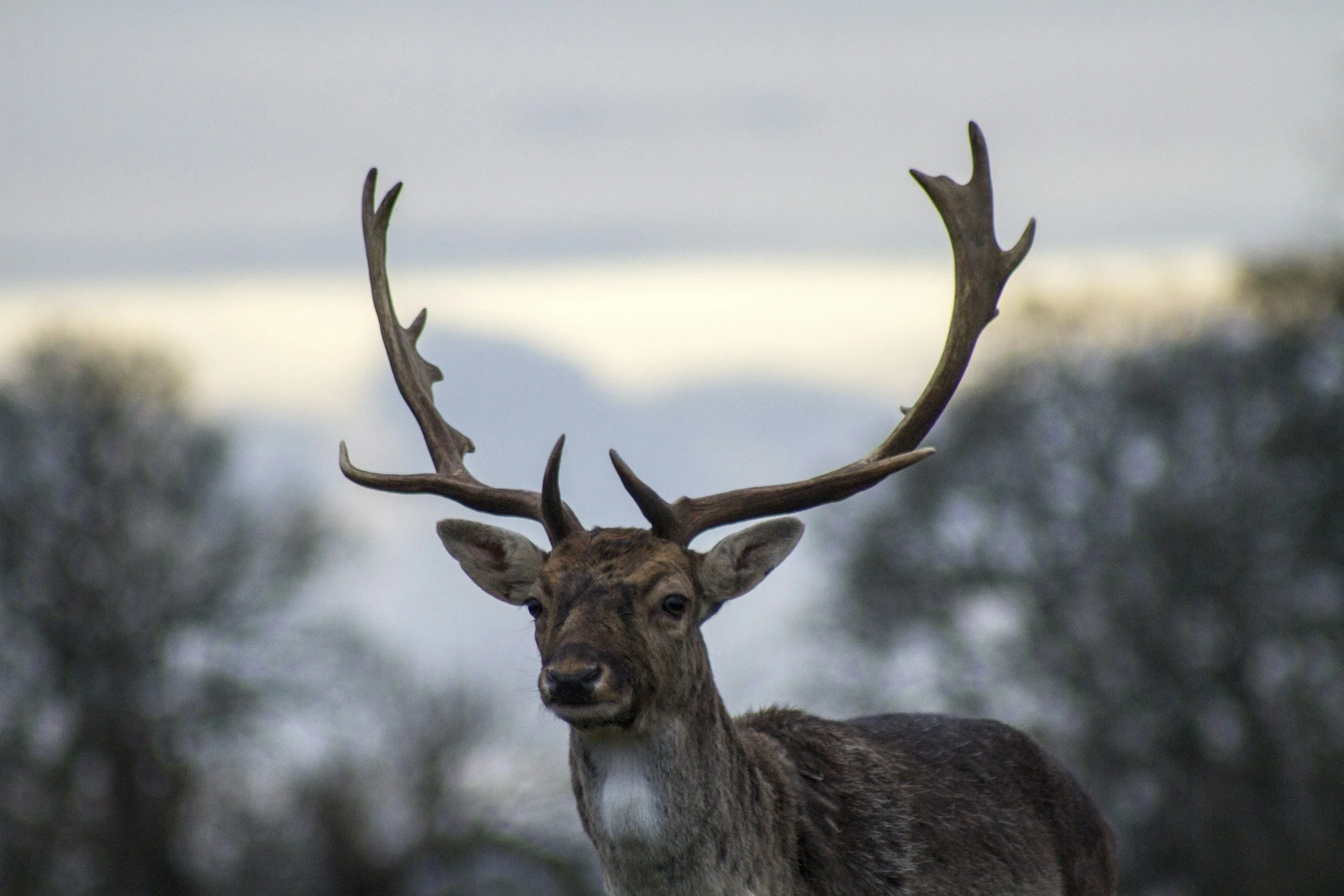
Introduced centuries ago and now widely established in woodland and parkland. Fallow live in herds, with coats ranging from black to almost white, and rut in October.
Native and long established
Red and roe deer are native to Britain. Fallow were introduced centuries ago and are now part of the landscape on many estates.
Sika deer
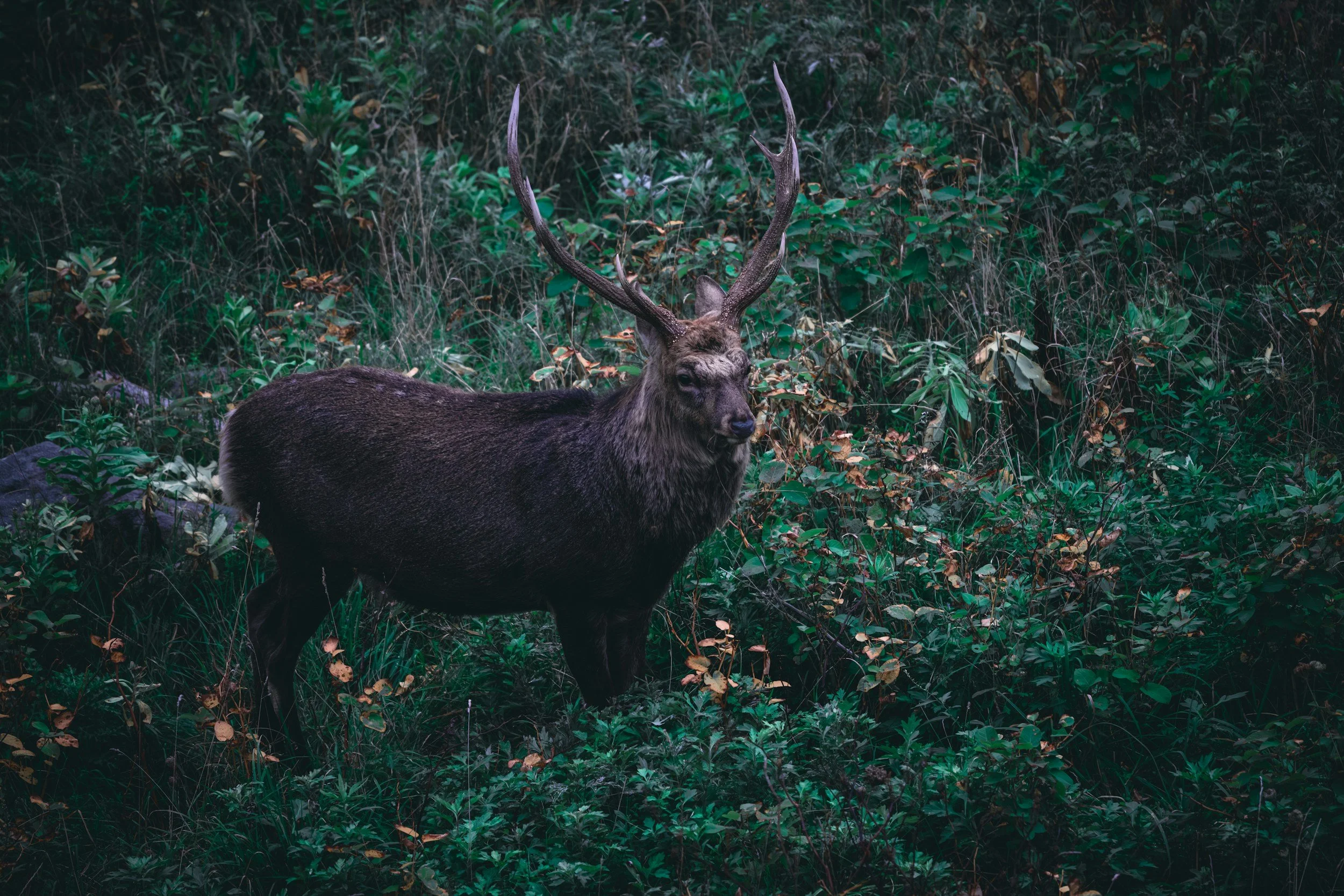
Introduced from Asia in the nineteenth century and well established in parts of Dorset. Sika favour conifer forest, heath and reedbed, and can interbreed with native red deer.
Muntjac
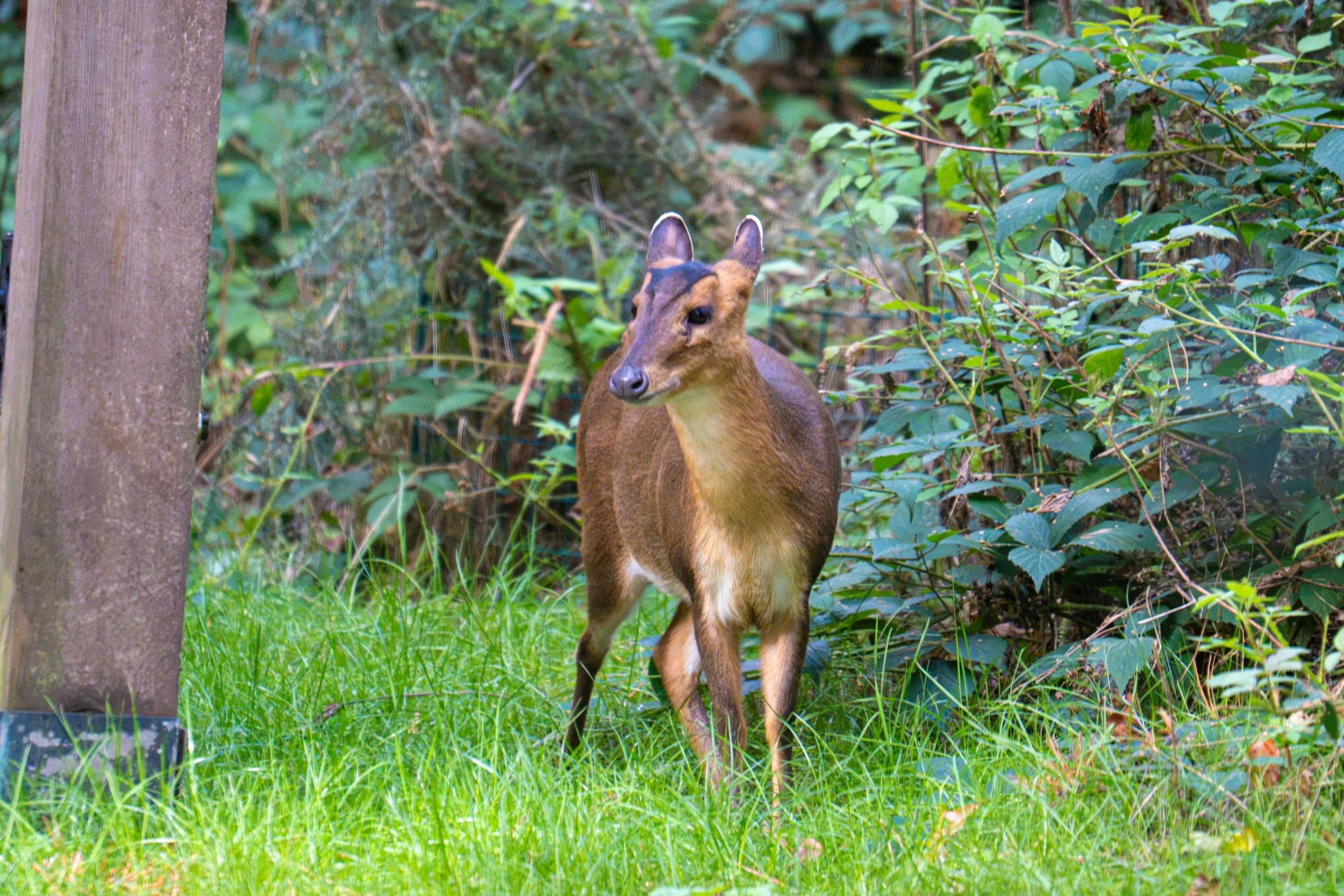
A small introduced deer that breeds all year round, with no fixed season. Muntjac live alone or in pairs and browse undergrowth heavily, stripping the shrub layer that many woodland birds rely on.
Chinese water deer
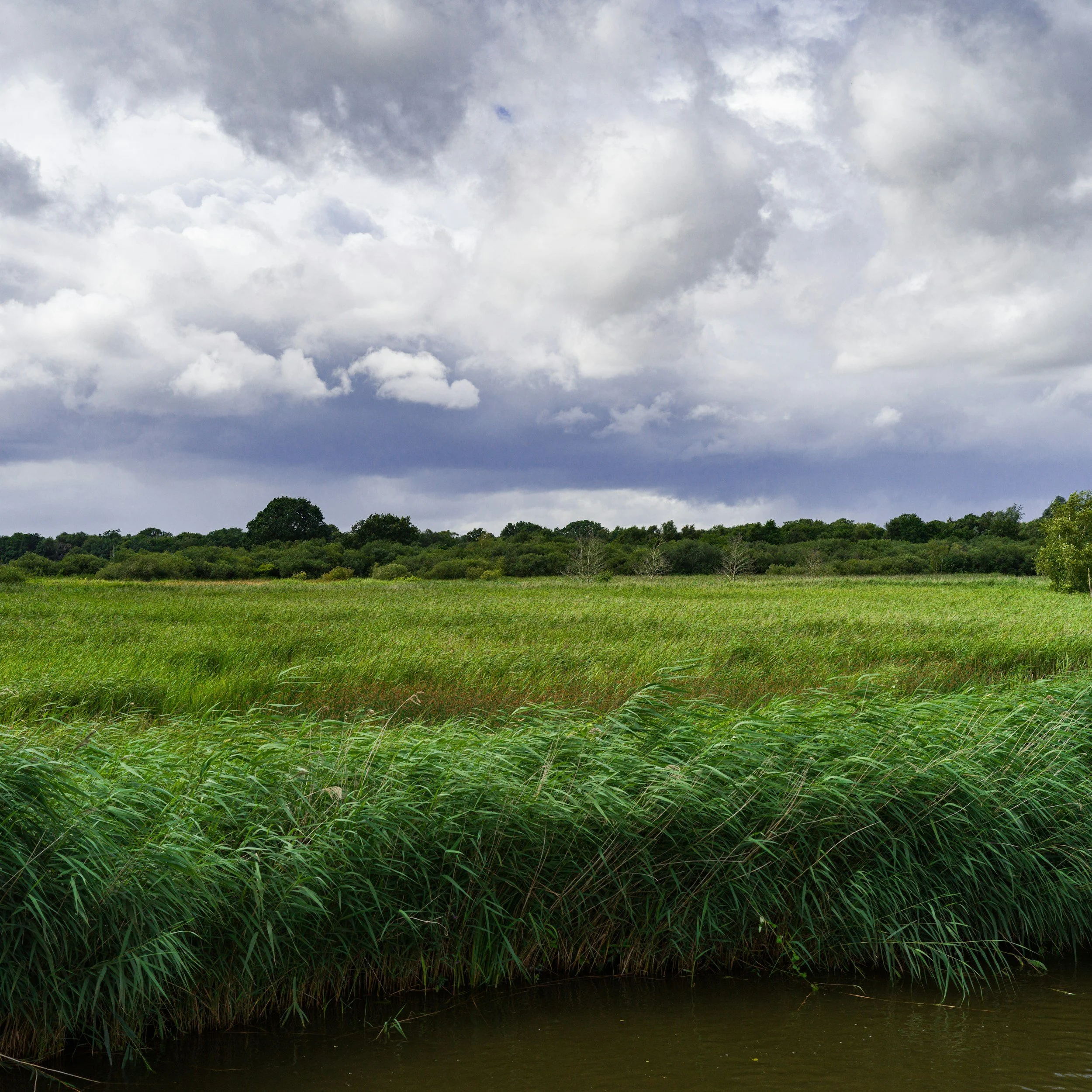
Introduced and without antlers; bucks carry tusks instead. They live mainly in wetland, reedbed and fen, and often have several young at a time.
Seasons and the law
Each species has its own legal open season under the Deer Act 1991. Muntjac have no close season because they breed all year. Restrictions on shooting females with dependent young apply all year round.
Introduced species
Sika, muntjac and Chinese water deer came to Britain from Asia from the nineteenth century onwards and are now established in the wild.
Talk to us about your land
Tell us what you need and we will get back to you, by email or with a call if you prefer. Most work starts with a site visit.