
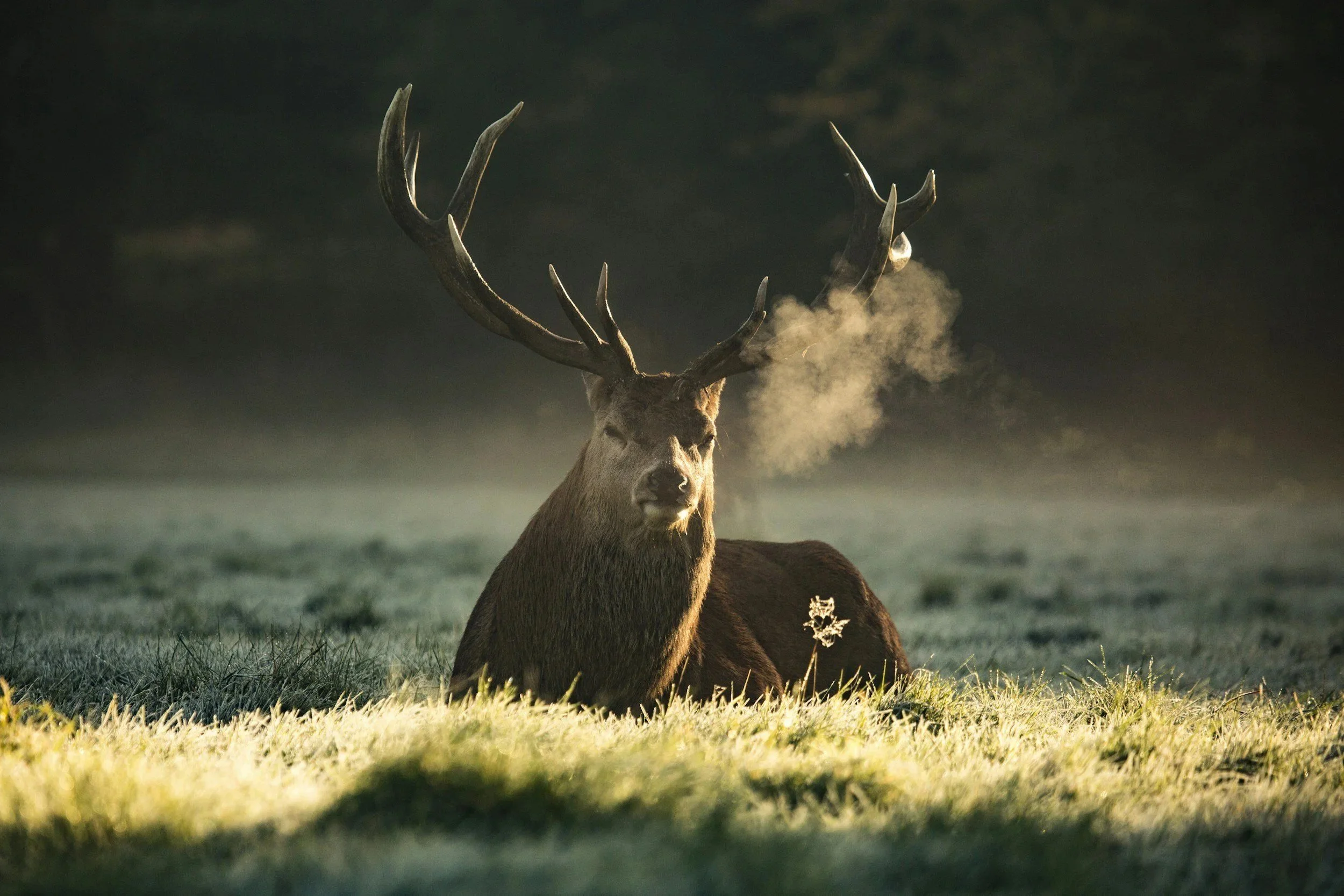
Deer management services
A complete service, from the first survey to the records at the end of each season, carried out by the same qualified team.
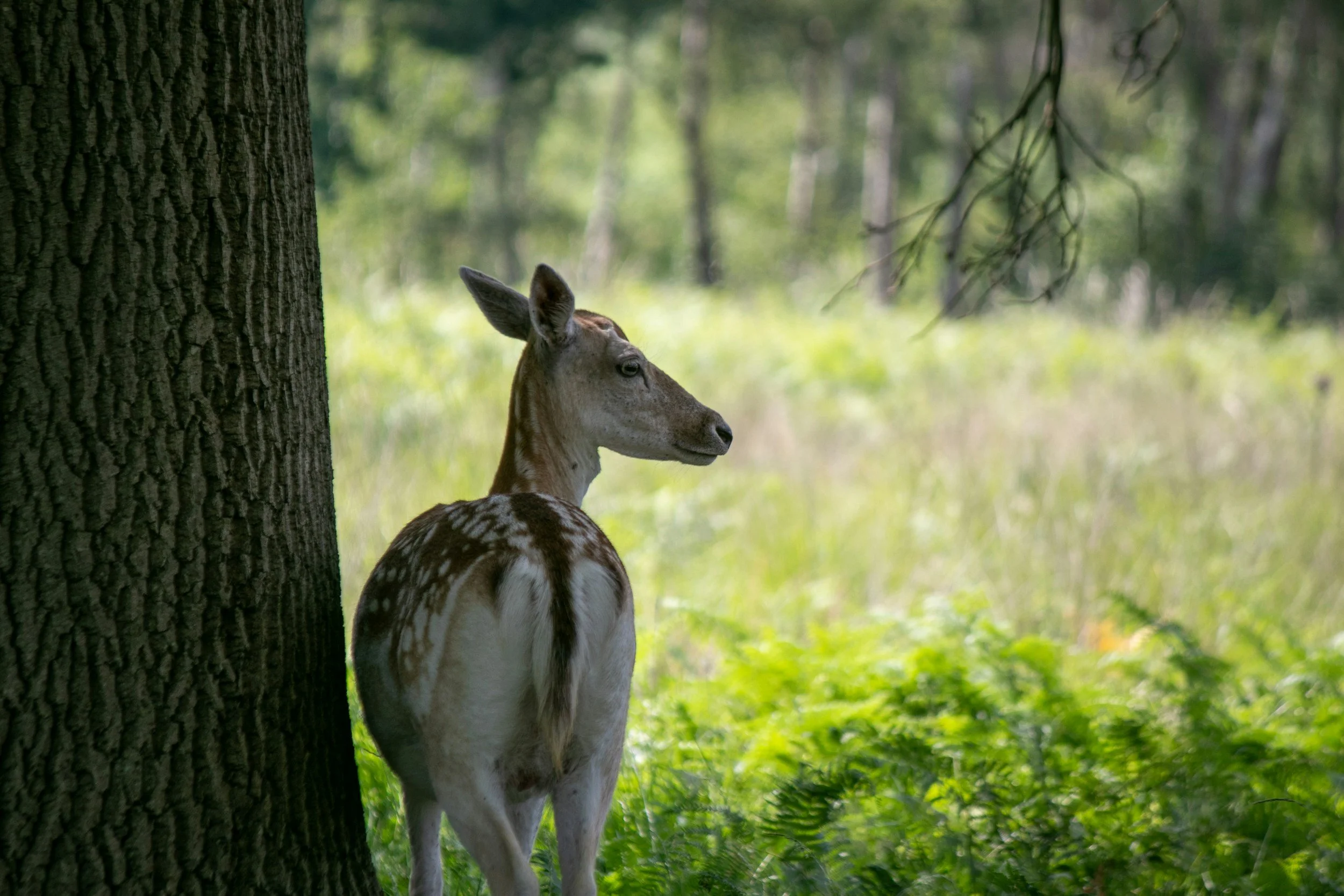
What does a deer management service include?
Four parts, carried out in order by the same people, so what we learn on the first visit carries through to the last record of the season.
Survey and impact assessment
Deer counts, species identification and an assessment of the damage to woodland, crops and habitats, so the plan starts from evidence.
Species management plan
A written plan agreed with you, setting objectives and cull targets by species, sex and season, prepared to meet Forestry Commission and Natural England requirements for grant funding.
Culling to the plan
Selective, humane culling through the legal open seasons and, under Natural England licence, at night where needed.
Records and reporting
A record of every animal taken, progress against the plan and support with habitat impact assessments, ready for grant claims and woodland certification.
Typical situations estates bring to us
Illustrative examples of the work, not individual client stories. Every plan starts with a site visit and is built around the land in question.
Woodland that will not regenerate
An estate replanting after felling finds young trees browsed back every spring. A survey identifies roe and muntjac as the main pressure, and the plan combines a targeted cull with exclosures to measure recovery.
Muntjac in ancient woodland
Bluebells and the shrub layer are thinning in an ancient wood. Muntjac feed mainly after dark, so the plan includes licensed night work alongside daytime stalking.
Applying for CWS1 funding
A landowner in a Higher Tier agreement needs a species management plan before applying for deer funding. We write the plan, set the cull targets and keep the records and habitat impact assessments the agreement requires.
Crops, a let shoot and the neighbours
An arable estate with a let shoot is losing young crops to fallow. The cull is scheduled around shoot days and tenancies, and neighbouring land is brought in so the deer are not simply pushed next door.
Why experience matters in deer management
Deer management is more than shooting. A cull that takes the wrong animals, at the wrong time or in the wrong place can leave the problem worse than before. Experience shows in the decisions made long before a shot is fired.
Choosing the right animal
Identifying species, sex and age at distance, so the cull follows the plan and protects the structure of the herd. Females with dependent young are left alone.
Knowing the deer
Understanding how each species behaves through the year, where it feeds, rests and moves, and how it responds to pressure.
Reading the land
Recognising browsing damage and judging whether woodland is starting to recover.
Working at night when needed
Some deer, muntjac especially, are most active after dark. The team is licensed by Natural England for night work, so the cull can follow the deer rather than the clock.
Welfare and safety
Clean, humane shots, a safe backstop every time, and care around livestock, footpaths, tenants and neighbours.
Doing it properly
Working within the law and the licences, keeping accurate records, and handling every carcass to food hygiene standards.
How to get started
Most estates start with a site visit, so we can see the deer, the habitat and the access for ourselves before anything is planned.
Get in touch
Tell us about the land, the deer you see and the damage you are concerned about. Contact us
Site visit
We walk the ground with you to assess the deer, the habitat and safe access.
A written proposal
The plan, timings and costs, including a species management plan where needed and any funding that may apply.
Ongoing management
The work is carried out through the seasons, with regular reports and a review at the end of each year.
Talk to us about your land
Tell us what you need and we will get back to you, by email or with a call if you prefer. Most work starts with a site visit. We also handle carcasses and venison from field to fork, and provide interim estate management.